
Modalyst has joined Wix.com | Read More Here
Integration
Seamlessly integrate to your eCommerce store to become a successful dropshipping business overnight.
Wix
Add Modalyst to your ecommerce plan and start taking your Wix website to the next level.
Shopify
Install Modalyst's Shopify app in one click to automate dropshipping for your Shopify store.
BigCommerce
List thousands of products to your BigCommerce store with a single click..
Partner
Kit
Peer-to-peer marketplace

Learn how to start a successful dropshipping business with Modalyst. Overnight.

Over 250,000 entrepreneurs & online businesses have signed up to receive tips, tricks, and news on dropshipping & ecommerce success.

The Best Video Formats to Help Sell Your Products

In the world of dropshipping, your product page is your shopfront, your salesperson, and your first impression all rolled into one. When customers cannot physically touch, test, or try the product, video becomes the closest thing to a tactile experience. This is why some of the most successful ecommerce brands rely heavily on video formats that demonstrate, explain, reassure, and persuade.  

A well produced video can show product quality, build trust, answer questions, and reduce hesitation far better than images or text alone. In fact, approximately 87% of consumers report that watching a product video has persuaded them to purchase, underscoring the influence of video content on buying behaviour. For dropshippers, where competition is fierce and margins can be tight, mastering video is one of the most effective ways to increase conversions, reduce returns, and build long term customer confidence.

This guide breaks down the best performing video formats for selling products online, why they work, and how you can use them to create more effective product pages and marketing campaigns.

Best Video Formats to Sell Products

TL;DR

  • – Utilizing video formats like product demos, unboxings, and tutorials can significantly enhance ecommerce sales
  • – Trust and clarity are paramount in dropshipping; video builds legitimacy for unfamiliar brands and reduces return rates by setting clear expectations.
  • – User-generated content (UGC) and testimonial videos create powerful social proof and resonate more with viewers than polished ads.
  • – Lifestyle videos help brands connect emotionally with customers by showcasing products in real-life scenarios.
  • – FAQ videos improve customer confidence by directly answering common pre-purchase questions, often leading to higher sales.

Why Video Matters in Dropshipping

Video is not just a nice addition to your product page, it is fast becoming an essential component of high performing ecommerce.

For dropshippers competing in crowded marketplaces, a well-made product video can make the difference between a sale and a bounce. Research consistently backs this up. According to Shopify, including a product video can boost conversions by as much as 89%. HubSpot adds that nearly three-quarters of customers are more likely to buy something after watching a product video, while Statista found that a staggering 96 percent of people have watched explainer videos specifically to learn more about a product. In short, if you’re not using video to sell your products, you’re not selling them as effectively as you could be.

For dropshippers, video plays a particularly vital role in building confidence and clarity around what is often an unfamiliar or unbranded product. First and foremost, it brings a level of product clarity that static images struggle to match. A well-shot video can show scale, texture, movement, and functionality in a way that bridges the gap between online browsing and in-person shopping. Viewers get to see how a product looks in real hands, how it behaves in use, and how it might fit into their lives, whether that’s a gadget in motion, a garment being worn, or a tool in action.

How Video Builds Trust, Reduces Returns, and Boosts Sales ?

Beyond clarity, video is a powerful trust-builder. Many dropshipping businesses don’t operate under recognisable brand names, and customers are often wary of buying from stores they haven’t heard of before. A video adds a layer of legitimacy. It feels more real, more considered. It signals to potential buyers that the seller has invested time and effort into showing the product properly, which in turn increases the perceived reliability of both the item and the business.

Finally, a good product video can significantly reduce returns. Many returns in ecommerce are the result of mismatched expectations, a customer receives the item and finds it smaller, flimsier, or just different from what they imagined. Video mitigates that risk. It paints a much more accurate picture of what the customer can expect, leading to more informed purchases and fewer unpleasant surprises. In short, video does what words and photos often cannot: it makes the product feel tangible, understandable, and desirable.

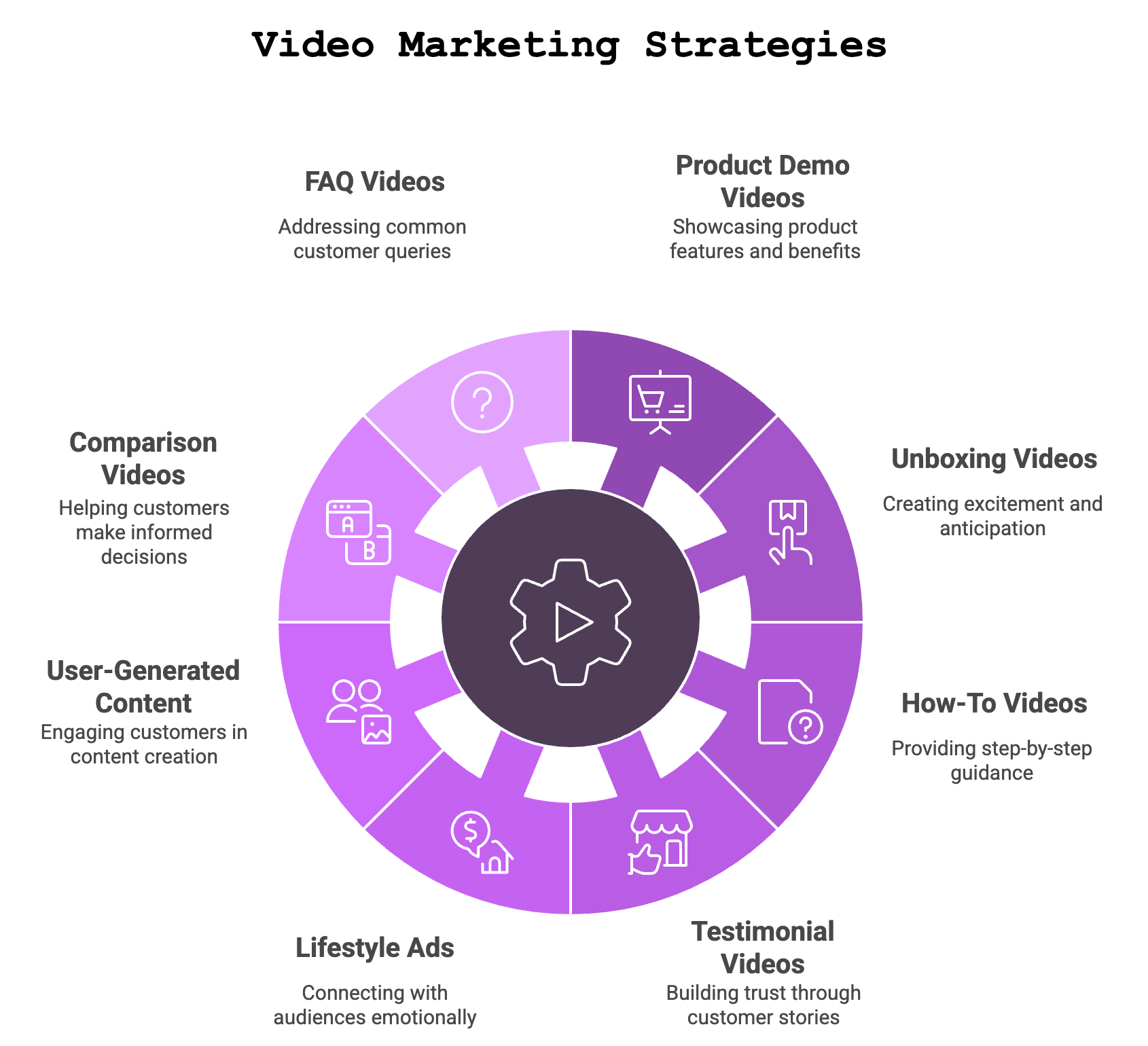
Video Marketing Strategies

1.Product Demo Videos

Product demo videos are consistently one of the most effective tools for selling online, particularly for dropshippers. Their strength lies in their simplicity: a demo video shows the product being used in a real-world scenario, focusing on what it does, how it works, and why it matters to the buyer. These videos don’t rely on fancy production or narrative, they’re all about clear, functional communication. When a potential customer can see the product in action, it eliminates much of the hesitation or second-guessing that can happen at the point of purchase.

The reason demo videos are so powerful is that they reduce uncertainty. A shopper no longer has to imagine how the item might function, whether it will fit their needs, or if it’s genuinely as described. Instead, they get visual proof. These videos often answer the most common customer questions before they’re even asked: How big is it? How do you use it? What problem does it solve? And because they’re so practical, demo videos are effective across all product categories, from kitchen gadgets and phone accessories to clothing, beauty tools, and tech.

Tips for an effective Product Video

Here are essential tips for creating an effective demo video:

  1. Prioritize clarity in the presentation of the product.
  2. Keep the video length under one minute to maintain viewer attention.
  3. Utilize close-up shots to emphasize texture, detail, and movement.
  4. Select natural lighting and a neutral background to minimize distractions.
  5. Demonstrate how the product solves a problem or offers a specific benefit.
  6. Show the product in action to illustrate its effectiveness, like a phone stand for hands-free viewing or a water bottle that keeps drinks cold.
  7. Ensure that the demonstration is clear and practical to enhance viewer conversion rates.

2.Unboxing Videos

Unboxing videos have evolved from a niche YouTube trend into one of the most emotionally resonant tools in ecommerce. For dropshippers, they offer a surprisingly effective way to build trust, excitement, and clarity around a product. The appeal lies in the psychology of anticipation. Viewers aren’t just watching a product being opened, they’re imagining the experience of receiving it themselves. This emotional projection makes unboxing content highly persuasive.

These videos work so well because they strip away the unknown. Customers get to see exactly what will arrive at their door: the packaging, the contents, any included extras, and the overall presentation. This level of transparency helps ease buyer anxiety, particularly for lesser-known or emerging brands. It also reassures the viewer that the product is genuine and complete, with nothing hidden or misrepresented.

Tips for an effective Unboxing Video

Creating an effective unboxing video requires attention to detail and authenticity:

  1. Maintain a calm and authentic approach during the unboxing process.
  2. Set up a neat workspace, such as a plain desk or tabletop, to keep focus on the product.
  3. Utilize natural light to accurately showcase the product’s color and quality.
  4. Ensure clear audio is present for capturing sounds like rustling paper and snapping plastic.
  5. Deliver genuine, unrehearsed reactions to build trust with viewers.
  6. Highlight the emotional experience of ownership to enhance customer engagement.

3.How To and Tutorial Videos

Tutorial videos provide practical, step-by-step instructions on how to use a product, making them one of the most valuable tools in a dropshipper’s content strategy. These videos serve two key purposes: they boost confidence before a purchase, and they enhance satisfaction after the product arrives.

Pre-purchase, a well-crafted tutorial reassures potential buyers by showing exactly how the product works. It removes ambiguity, answers common questions, and positions the product as something easy to adopt. This is especially helpful for products with multiple features or those that might seem complicated at first glance. For post-purchase users, tutorials help reduce confusion, minimise frustration, and ultimately lead to fewer support requests and product returns.

Tips for an effective Tutorial Video

Effective tutorial videos enhance viewer engagement and promote product understanding.

  1. Begin with a clear presentation of the final outcome to set expectations.
  2. Guide viewers through the process step by step, utilizing on-screen text or labels for clarity.
  3. Keep instructions concise and visual to enhance comprehension and minimize the need to pause.
  4. Conclude by showcasing the product in action to reinforce its benefits and effectiveness.
  5. These tutorials are particularly successful on platforms like YouTube and TikTok, and on product pages.
  6. Demonstrating how the product resolves a problem or integrates into daily life can convert interest into sales.

4.Social Proof and Testimonial Videos

Humans are naturally inclined to trust other people more than they trust businesses, especially when those businesses are unfamiliar. This is why testimonial videos are so powerful in the world of dropshipping, where the customer may have no previous relationship with the brand. Seeing someone else use the product, talk positively about it, and share their experience provides the kind of reassurance that no product description or glossy ad can replicate.

Testimonial videos work because they offer social proof. When viewers see real individuals benefiting from a product, it lends credibility to the brand and eases common doubts. These videos can show practical outcomes, but more importantly, they establish emotional relatability. A good testimonial gives potential buyers the chance to hear their own concerns voiced, and then resolved,by someone just like themselves.

Tips for effective Testimonial Videos

Here are effective strategies for dropshippers to utilize testimonial videos in the customer journey:

  1. Embed testimonial videos directly on product pages to maximize visibility at the decision-making point.
  2. Use testimonial videos in retargeting ads to re-engage visitors who previously showed interest but did not purchase.
  3. Incorporate testimonials in email campaigns, particularly in post-abandonment sequences, to recover lost sales.
  4. Share short testimonial videos on platforms like TikTok and Instagram Reels for both organic reach and paid promotion.
  5. Opt for authentic, less polished videos as they resonate better with audiences and feel more genuine.
  6. Focus on authenticity in testimonials, whether they are polished case studies or raw clips from satisfied customers.

5.Lifestyle and Story Driven Ads

Lifestyle videos function as short, emotionally-driven adverts that show your product in the context of everyday life. Rather than focusing on the item itself, these videos highlight the experience of using it. They tap into storytelling and aspiration, helping potential customers picture how your product could enhance their own routine. Done well, a lifestyle video does more than sell a product, it sells a feeling or identity.

This format is especially effective because it bridges the gap between desire and purchase. Viewers aren’t just shown what the product does, they’re shown what it means. Whether it’s a water bottle in a yoga studio, a backpack on a city commute, or a gadget on a kitchen worktop, lifestyle videos give products relevance and purpose. They reinforce brand identity and shape customer perception, making the product feel more premium and desirable.

For that reason, they are particularly useful in paid advertising campaigns. A well-crafted lifestyle ad can cut through the noise on Facebook, Instagram, TikTok, or YouTube, sparking interest and driving clicks. It’s one of the most powerful formats for dropshippers looking to elevate both conversion rates and brand image.

Tips for an effective Lifestyle Video

Creating effective lifestyle videos involves several key elements:

  1. Engage a creative video production company for high visual quality and sound design.
  2. Ensure models or actors reflect the target audience for relatability.
  3. Incorporate the product organically within the scene for natural integration.
  4. Use music and editing to enhance the emotional tone of the video.
  5. Maintain a simple and clear message throughout the video.
  6. End with a strong call to action to encourage viewer response.
  7. Remember, a well-executed lifestyle video contributes to the broader brand story.

6.User Generated Content (UGC)

User Generated Content (UGC) has become one of the most powerful tools in a dropshipper’s arsenal. These are videos created by real people, customers, influencers, or freelance creators, who showcase or talk about a product in a candid, informal style. What makes UGC so persuasive is its rawness. It doesn’t feel scripted or overly produced, and that’s precisely why it resonates.

Today’s consumers are savvy. They scroll past traditional ads but pause when they see someone like themselves speaking honestly about a product. The casual tone, handheld footage, and unpolished delivery give UGC a sense of authenticity that is difficult to replicate in traditional brand videos. It mimics the organic style of TikTok and Instagram content, helping it blend seamlessly into users’ feeds and making it more likely to be watched and trusted.

This format also converts exceptionally well in advertising. UGC is consistently one of the top-performing formats for paid social campaigns, particularly on TikTok, Meta, and Snapchat. It is seen as more trustworthy, more relatable, and more compelling than polished brand content. It creates a sense of social proof without needing a single celebrity endorsement.

For dropshippers, UGC offers another major advantage: cost. These videos are far cheaper to produce than high-end lifestyle spots or studio demos. In many cases, the content is created for free by happy customers. Others may offer their time in exchange for a small incentive like a discount or free product. Some brands take this a step further and hire freelance creators to produce UGC-style content that mirrors the natural, unscripted tone of a real user, because the format consistently outperforms highly produced brand ads.

Tips for effective User-Generated Content

Here are strategies to effectively generate user-generated content (UGC):

  1. Send a post-purchase email encouraging customers to share their experiences on camera.
  2. Include a simple message in the packaging asking buyers to ‘share your results’ or use a specific branded hashtag.
  3. Offer small rewards, such as entries into a prize draw or future discounts, to motivate contributions.
  4. Collaborate with micro-influencers who resonate with your target audience for greater reach without high costs.
  5. Recognize that UGC is a strategic approach, turning authentic customer reactions into valuable marketing.

7.Comparison or Versus Videos

Comparison videos are a highly effective format for dropshippers looking to position their products against common alternatives. Whether it’s showing how your product performs better than a cheaper version or demonstrating unique features that justify a higher price point, these videos help customers make informed choices, and that makes them more likely to convert.

Unlike overtly promotional content, comparison videos present information in a structured and balanced way. They walk the viewer through clear differences, size, performance, features, price, so that they can weigh up what matters most to them. This helps build trust, especially when the tone is more informative than pushy. Rather than telling the audience why your product is the best, you’re showing them the facts and letting them decide.

This format also allows you to justify a higher price tag if your product offers real benefits. For example, a better build quality, longer battery life, or added functionality can be shown side-by-side with a cheaper alternative, making the value obvious. It’s particularly useful in saturated markets, where consumers are weighing lots of options and want help narrowing the field.

Tips for effective Comparison Videos

Effective comparison videos require honesty and credibility to influence buyers.

  1. Comparison videos must be honest to be effective.
  2. Audiences can easily detect exaggeration or bias in videos.
  3. The goal is to highlight the strengths of your product authentically.
  4. Maintain credibility while demonstrating product advantages.
  5. A well-crafted comparison video can instill buyer confidence.
  6. Use real and demonstrable examples to support claims.

8. FAQ Videos

FAQ videos are a simple but powerful way to boost sales, especially for products that are new, complex, or come with lots of customer questions. For dropshippers, these videos serve a dual purpose: they help potential buyers make informed decisions, and they reduce the load on customer service teams by answering common queries upfront.

By directly addressing the concerns customers tend to have before hitting “buy” – things like durability, sizing, what’s included in the box, how long shipping will take, or how easy the product is to assemble, FAQ videos remove friction from the purchasing process. Instead of searching through text or trying to piece together information from different sources, customers get quick, visual reassurance that the product meets their expectations.

This kind of clarity builds trust. Buyers feel like their concerns have been anticipated and answered, which makes them more confident in their decision. And that confidence translates directly into higher conversion rates and fewer abandoned carts.

Tips for an effective FAQ video

FAQ videos are an effective tool for enhancing customer trust and driving sales.

  1. FAQ videos are easy to produce, requiring minimal production effort.
  2. They focus on delivering honest and direct answers clearly and quickly.
  3. Responses from customer support logs or live chat can often be repurposed for content.
  4. These videos enhance store transparency and perceived helpfulness.
  5. Increased trust can lead to higher sales and reduced return rates.

Conclusion

Video is no longer optional for product based businesses, especially in the world of dropshipping where customers often meet your brand for the first time on a product page or in a social feed. The right video formats help shoppers understand your product, trust your brand, and feel confident enough to click buy.

Whether you start with simple demos or invest in lifestyle ads, each video format plays a clear and valuable role in the customer journey. Choose the formats that fit your product and audience, and you will see a noticeable impact on engagement, conversions, and long term customer satisfaction.

Picture of Ryan Stone

Ryan Stone

Ryan Stone is the Co-Founder & Creative Director of Lambda Films, a video production company in the UK.

Reducing Cart Abandonment in Dropshipping with Ringless Voicemails

Look, cart abandonment sucks. You spend money on ads, drive traffic to your store, watch someone add items to their cart… and then they just disappear. Poof. Gone. About 70% of online shopping carts get abandoned, which translates to millions in lost sales.

Why? The usual suspects: surprise shipping costs nobody warned them about, they got distracted by a text, their kid started screaming, or they just… changed their mind. For dropshippers, especially where margins are already tight, abandoned cart hurts.

Email reminders work okay. But let’s be honest: your carefully crafted recovery email is probably sitting unread between a Bed Bath & Beyond coupon and someone’s LinkedIn spam.

Enter ringless voicemails. I know what you’re thinking, voicemail in the 21st century? Tools like the VoiceDrop Shopify App, which offers seamless ringless voicemail integration, are changing the game. Dropshipping stores using it are already seeing real results, from recovering abandoned carts to boosting repeat purchases.

Other ecommerce brands use ringless voicemails to send personalized post-purchase thank-yous, win-back messages for inactive customers, or even exclusive VIP promotions, all without interrupting the customer’s day. It’s a small touch that feels personal and builds real trust, and the best part? It scales effortlessly.


Why People Bail on Their Carts (And Why It Matters)

When someone adds products to their cart and bounces without buying, that’s cart abandonment. In dropshipping, where you’re selling products you don’t actually stock, this is particularly painful because you’ve already done the hard part-getting them interested.

The reasons people abandon carts aren’t mysterious. Sometimes the shipping cost pops up at checkout, and they weren’t expecting it. Sometimes the checkout process takes too long (nobody wants to create yet another account). Phone rings, kid needs help with homework, boss walks by their desk. Life happens.

Other times? Cold feet. Security concerns. Second-guessing whether they really need another pair of shoes.

For dropshippers, this represents money that was basically already in your hand before it slipped away. You can send them an email or a text, sure. But there’s another option that’s getting overlooked.

What’s the Deal with Ringless Voicemail?

Ringless voicemail drops a pre-recorded message straight into someone’s voicemail inbox. Their phone never rings. No interruption. They just see a voicemail notification and can listen when they want.

The technology works through carrier networks to deliver the audio file directly-kind of like how a text message gets delivered, but it’s audio that goes to their voicemail box instead of their messages.

Why does this matter for dropshipping? Because, unlike a phone call (annoying), it doesn’t interrupt anyone. Unlike an email (ignorable), it feels more personal. People actually listen to these-listen rates typically run over 50%, which is wild compared to email open rates.

Here’s the thing: voicemails feel more human. When was the last time you got a voicemail from a business? It stands out. And for abandoned cart recovery, standing out is literally the whole game.


How This Actually Helps Recover Sales

The strategy is straightforward. When someone abandons their cart, you send them a personalized ringless voicemail. Not a generic “Thanks for shopping with us” robot message-something that actually references what they left behind, maybe includes an incentive to come back and finish the purchase.

It works because it hits differently than email. Voicemail feels more direct, more personal. And because it doesn’t ring, it’s not intrusive. It’s just… there when they’re ready to check their messages.

Writing a Voicemail Script That Doesn’t Suck

Keep it short. Seriously-30 seconds max. People don’t have time for a monologue.

Start friendly and use their name. “Hey Sarah, noticed you were checking out that navy backpack earlier.” Not “Dear valued customer.” Come on.

Give them a reason to come back. “I can knock 10% off if you complete your order today” beats a vague “We miss you!” any day.

End with a clear next step. “Head back to your cart and use code COMEBACK10 at checkout.” Done.

Skip the corporate jargon. Write like you’re talking to a friend. Show some personality. Add urgency without being pushy-there’s a difference between “Limited time offer!” and “BUY NOW OR MISS OUT FOREVER!!!”

The goal is to sound human, not like a script someone in marketing agonized over for three weeks.

When to Actually Send These Things

Timing matters more than you’d think.

Send the first message within an hour of cart abandonment. That’s when their interest is still hot. They might’ve gotten distracted and genuinely forgot.

If they don’t respond? Hit them again after 24 hours. But that’s it-don’t become a stalker.

Avoid evenings and weekends unless your data shows that’s when your specific customers are most responsive. Most people don’t want to deal with shopping reminders at 9 PM on a Saturday.

And frequency: one or two messages is reasonable. Five is harassment. Don’t be that brand.

If you’re seeing carts abandoned mid-week, that’s when you focus your efforts. Use your actual customer behavior data to guide timing, not some generic “best practices” article you read.

Making It Actually Work with Your Setup

Good ringless voicemail platforms integrate with your existing tech stack. VoiceDrop works with Shopify, WooCommerce, and HubSpot-the usual suspects.

Set up automation triggers so when a cart gets abandoned, the system fires off a voicemail automatically. You’re not sitting there manually sending messages to every person who bails.

This frees up your time to actually run your business instead of chasing down abandoned carts one by one.

Dropshipping voicemail marketing

Getting Started Without Screwing It Up

First, pick a platform that works with your store. For instance VoiceDrop integrates with Shopify and WooCommerce, which covers most dropshippers.

Second-and this is important-make sure you have consent. You can’t just start dropping voicemails to anyone. Check TCPA compliance if you’re in the US. Seriously, don’t skip this part. Fines are not fun.

Upload your customer list (the ones who’ve opted in), set up your automation triggers, write some test scripts, and run a small pilot program. Start with maybe 100-200 customers and see what happens.

Train your team on the system if you have one. If it’s just you, spend an afternoon getting comfortable with the platform.

Cost per message is usually pretty low, but budget accordingly. Connect everything to your CRM so the messages feel personalized based on actual customer behavior.

Then scale up once you’ve proven it works. Don’t go all-in on day one.


Does This Actually Make Money?

Track your recovery rate-how many abandoned carts convert after getting a voicemail. Look at listen rates, how many people call back, and most importantly, how much revenue you’re recovering.

Do the math: divide the sales you recover by what you’re spending on the service. That’s your ROI.

For dropshipping, if you can get a 5-10% lift in conversions, you’re doing well. Some businesses report recovering 20% of abandoned carts this way, which is honestly impressive.

Use the data to refine your approach. If messages sent at 2 PM perform better, do more of that. If your script isn’t working, rewrite it. This isn’t set-it-and-forget-it need to pay attention and adjust.

Bottom Line

Ringless voicemails aren’t some magic bullet that’ll solve all your cart abandonment problems. But they’re another tool in your arsenal, and they work because they’re personal without being pushy, timely without being annoying, and different enough that people actually pay attention.

If you’re watching potential sales disappear every day, it’s worth testing. Tools like VoiceDrop make it pretty straightforward to get started.

Run a pilot, measure the results, adjust your approach. If it works, great-you’re recovering sales you would’ve lost. If it doesn’t, you’ll know pretty quickly.

Your dropshipping store deserves better than 70% cart abandonment. Time to do something about it.

7 Data-Driven Email Tips Every Dropshipping Business Should Know

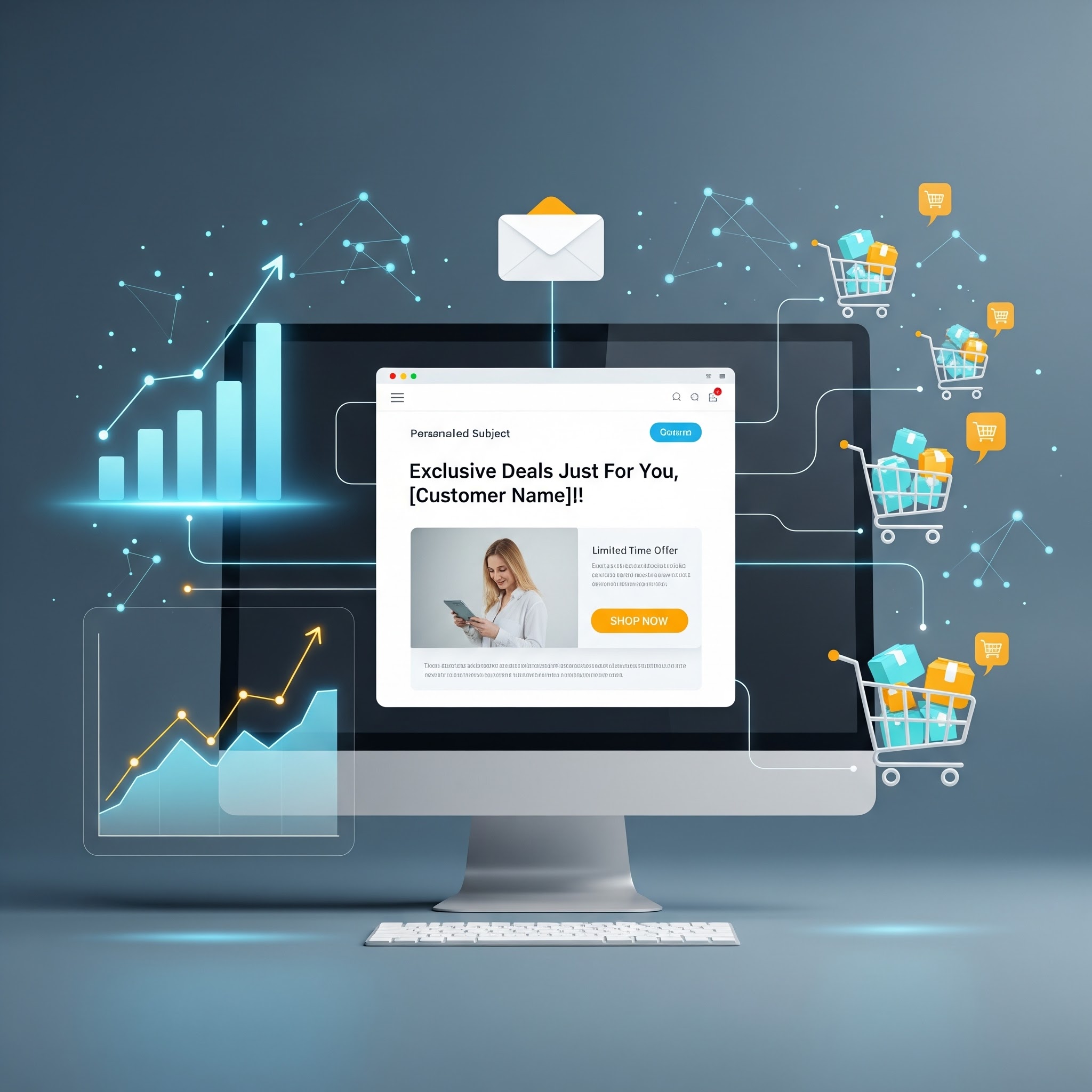
In dropshipping, email marketing works best when every decision is based on data. Meaning from subject lines to send times, understanding what your customers actually do helps you sell more with less effort. Tracking opens, clicks, and purchases, you can learn what keeps shoppers engaged and what makes them leave. 

In this guide, you’ll find 7 practical, data-backed email tips to help you improve engagement, conversions, and customer loyalty.

TL;DR:

7 Data-Driven Email Tips for Dropshipping Businesses

  1. Group subscribers by their purchase history, browsing activity, or engagement level to send more relevant and higher-converting emails.
  2. Test subject lines, CTAs, and send times to find what truly resonates with your audience.
  3. Use browsing or purchase behavior to send personalized product recommendations that drive conversions.
  4. Automate follow-ups for cart abandoners, repeat buyers, or unopened emails to re-engage customers efficiently.
  5. Track when someone opens or clicks your emails with MailTracker to optimize timing and send better follow-ups.
  6. Remove inactive or bounced contacts regularly to protect deliverability and improve open rates.
  7. Connect each campaign to actual sales and measure revenue per email to identify your most profitable flows.

Why Data Is the Core of Successful Dropshipping Emails

Data is important because it helps dropshipping businesses understand what truly drives sales. 

Unlike traditional retail, dropshipping relies on automation, fast decision-making, and customer insights to stay competitive.

The most valuable metrics for ecommerce include:

  • Open rate: shows how engaging your subject line is.
  • Click-through rate: reveals how relevant your content or offers are.
  • Conversion rate: measures how effective your email flow is.
  • Customer lifetime value: tracks how well you retain and nurture buyers.

When you use these insights, you remove the guesswork from your campaigns. Every email you send becomes more targeted, efficient, and profitable, helping you maximize ROI over time.

7 Proven Email Marketing Tips Backed by Data for Dropshipping Success

1. Segment Customers Based on Real Behavior

Segmentation is one of the most effective ways to boost engagement and sales. If your message doesn’t match what your subscribers care about, they won’t open, click, or buy.

Start by using the data you already have (orders, browsing history, and past engagement) to create meaningful customer segments. A few examples include:

  • First-time buyers vs. repeat customers
  • Cart abandoners vs. active shoppers
  • Product-category interests (for instance, “home fitness” vs. “pet supplies”)

Once you’ve identified these groups, tailor your campaigns to each segment’s needs. 

For example, first-time buyers might receive a welcome discount, while repeat customers get early access to new products. This approach works because it feels relevant to the recipient. 

2. Use A/B Testing to Validate Every Email Decision

The best dropshipping email strategies are built on testing, not guessing. A/B testing helps you understand what really works for your audience before sending your campaigns to everyone.

Start by testing one element at a time. You can compare:

  • Subject lines: “Shop Now” vs. “Last 24 Hours to Save 15%”
  • Email layouts: single-column vs. product grid
  • CTA buttons: “Buy Now” vs. “Claim Offer”
  • Send times: morning vs. evening

Then, you can measure success using key metrics like open rate, click-through rate, and conversions per variant. 

Even small tweaks can make a big difference. Changing the subject line from “Shop Now” to “Last 24 Hours to Save 15%” can help improve open rates and engagement. 

Over time, you’ll build a data-backed playbook of what your audience responds to best, improving both engagement and ROI.

  1. Personalize Based on Engagement Data

Personalization should go beyond just using a first name. The most effective emails are those that reflect what your customers actually do.

Use data from browsing history and past purchases to recommend products your audience already cares about.

For example, send a restock alert only to customers who clicked on a sold-out item, or highlight accessories that complement their last order.

When your emails reflect real customer behavior, they feel more genuine and timely. Even small, data-driven changes can lead to higher conversions.


4. Automate Smart Follow-Ups and Triggers

Automation delivers the best results when it’s based on real customer behavior. Rather than sending identical follow-ups to everyone, set up triggers that respond to each shopper’s actions.

Here are a few ideas to start with:

    • Email opened but no click: resend with a stronger call-to-action.
    • Cart abandoned: send a reminder within 24 hours.
    • Repeat purchase: follow up with a loyalty or referral offer

For example, Netflix uses automated win-back emails like the one below to re-engage past subscribers. 

The message is personalized with the user’s name and highlights new content to encourage them to return.
Netflix email

These automated workflows help you stay connected without constant manual effort. They save time, recover missed opportunities, and steadily increase conversions.

5. Track Email Engagement and Timing

Knowing when people open or click helps you understand what catches their attention and when they’re most likely to engage.

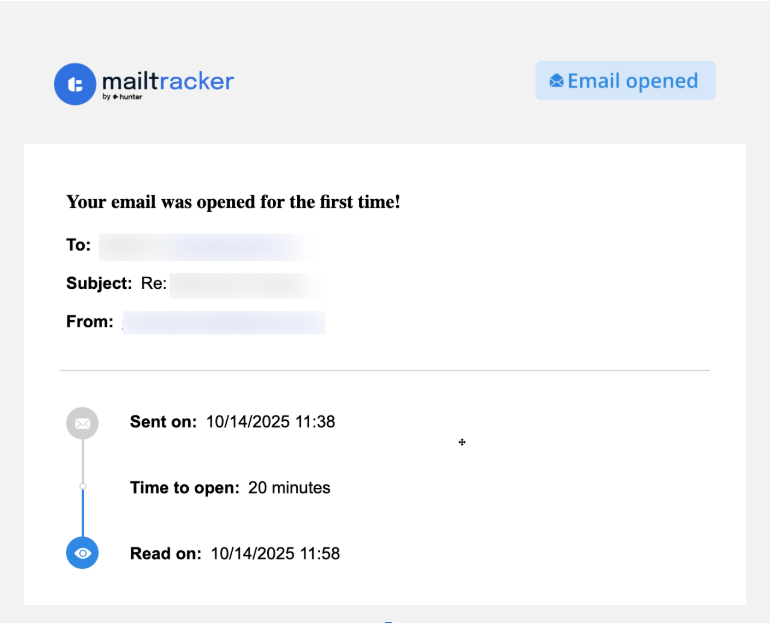
Using tools like MailTracker helps you see when someone opens your emails. This data is important for sending well-timed follow-ups and optimizing your next campaign. Here’s what it looks like:

MailTracker

For example, if you notice that most customers open your emails within the first few hours, you can schedule future sends. Or, if certain contacts never open, you can target them with reactivation campaigns.

6. Clean Your List and Protect Deliverability

A healthy email list is key to keeping your campaigns effective. Over time, inactive subscribers, bounced addresses, and spam complaints can hurt your sender reputation and deliverability.

Review your list every few months and remove contacts who haven’t opened or clicked any emails in a while. You can also create a reactivation campaign to win them back before removing them completely.

Regular list cleanup can improve open rates within weeks. Fewer inactive contacts mean higher engagement and a better chance of landing in the inbox instead of the spam folder.

7. Track Revenue, Not Just Opens

While open and click data are useful, they don’t tell the full story. To measure real success, you need to connect your emails directly to sales.

Start by tracking how much revenue each campaign generates and dividing it by the total number of emails sent. 

For example: $1,200 revenue ÷ 2,000 emails = $0.60 revenue per email.

This simple calculation helps you understand which email flows bring the highest return. When you focus on revenue, you can prioritize the campaigns that truly drive profit and refine the ones that don’t.

Track, Analyze, and Refine

Data-driven decisions are what separate strong dropshipping brands from the rest. Tracking engagement and performance gives you the clarity to improve each campaign instead of guessing what works.

Use your email metrics to identify what’s driving clicks, where engagement drops, and how timing affects conversions. 

Tools like MailTracker can help you understand when subscribers interact with your emails, allowing you to fine-tune your follow-ups and email strategy.

The more you analyze and adjust, the more efficient your campaigns become, turning every email into an opportunity to learn, connect, and sell smarter.

Top 5 Email Security Tools for Your Dropshipping Business and Why It’s Necessary

As a dropshipping pro, you know email is the heart of your operation. It connects you to customers with order confirmations, keeps you in sync with suppliers, and powers your marketing through AI-powered email automation that helps you scale efficiently. But this lifeline is also a vulnerability. Phishing scams, fake emails, and data theft are constant threats that can harm your brand and your bottom line, especially when you’re managing communications for multiple products across different suppliers and customer segments.

This is where strong email security comes in. It’s not about becoming a cybersecurity guru; it’s about using smart tools to protect your business. We’ll show you how to safeguard your reputation, ensure your communications are secure, and maintain the customer trust you’ve worked so hard to build—whether you’re sending automated campaigns or coordinating with suppliers.

How to Pick the Right Email Security Tool for Your Store

Choosing the right tool doesn’t have to be complicated. You’re a business owner, not a security analyst, so you need something that works seamlessly with your email automation systems and protects communications about your dropshipping products without slowing you down. Here are a few questions to guide your decision and find the perfect fit.

Is It Easy to Use?

You’re busy sourcing products and running marketing campaigns. The last thing you need is a complex tool with a steep learning curve. Look for a solution with a straightforward dashboard, clear reports, and helpful guidance. Your email security tool should make your life easier, not harder.

Does It Offer Automation?

Manually updating technical settings like DNS records is a time-drain. Your focus should be on growing your business, not getting lost in code. A great tool will automate these processes for you. Find a solution that works quietly in the background, so you can focus on what you do best.

How Does It Handle Integrations?

Your dropshipping store probably relies on a mix of apps like Shopify, Klaviyo, and various helpdesks. These services all send emails on your behalf. The right security tool will automatically discover and manage them, ensuring their emails are properly authenticated. This keeps your messages from getting blocked and your operations running smoothly.

Can It Grow with Your Business?

Your goal is to scale, and your tools should be ready to grow with you. Choose an email security solution that can handle an increasing volume of orders and emails without a huge jump in price. A scalable tool supports your success every step of the way.

Is Support Available When You Need It?

When an email issue pops up, you need answers fast. Look for a service that offers responsive and reliable customer support. Quick resolutions mean you can solve problems before they affect your customers or your sales.

Top 5 Email Security Tools for Dropshippers

With those points in mind, here are five of the best email security tools that address the unique needs of a dropshipping business.

1. PowerDMARC

Your brand’s domain is one of your most valuable assets, and PowerDMARC is here to help you protect it. With tools like the Domain Analyzer, you can easily identify vulnerabilities in your domain’s email authentication setup and take action to secure it. PowerDMARC stops scammers from spoofing your email address to send fake “payment failed” or “shipping issue” notices to your customers. The platform also manages a full suite of authentication protocols (SPF, DKIM, and DMARC) to ensure only you and your authorized apps can send emails from your domain. Plus, the AI-powered dashboard provides real-time insights into impersonation attempts, helping you block attacks before they cause harm.

Why it’s great for dropshippers:

  • The Domain Analyzer identifies weak spots in your domain’s email security.
  • Prevents brand impersonation in phishing scams targeting your customers.
  • Secures sensitive communications with suppliers.
  • AI-powered threat intelligence simplifies security for non-experts.
    powerdmarc

2. Valimail

Your store likely uses multiple apps and services, from your ecommerce platform to shipping trackers. All these platforms need permission to send emails for you, and managing this manually can be a headache. Valimail simplifies this with its automated, “zero-DNS-update” approach. It identifies all your third-party services and authorizes them without you ever having to touch a complex DNS record. This ensures your order confirmations and marketing emails always reach their destination.

Why it’s great for dropshippers:

  • Automatically manages email permissions for all your third-party apps.
  • Removes the risk of misconfiguring complex email settings.
  • Ensures high deliverability for crucial transactional and marketing emails.
    Valimail

3. Zerobounce

Every email address you collect is a potential sale. But a list full of typos, invalid addresses, and spam traps can get your domain blacklisted, which means even legitimate order confirmations might not get through. Zerobounce cleans your customer email lists with 99% accuracy. For a dropshipper, this is essential. It helps you get the most out of your email marketing and protects your sender reputation.

Why it’s great for dropshippers:

  • Cleans your marketing and customer lists to improve deliverability.
  • Protects your domain’s reputation by avoiding spam traps.
  • Integrates DMARC monitoring to connect list hygiene with your overall email security.
    Zerobounce

4. Mxtoolbox

Has a customer ever said they never received their order confirmation? Mxtoolbox is the perfect first stop for troubleshooting. It’s a powerful diagnostic tool that lets you check for issues with your email setup for free. You can quickly see if your domain has been blacklisted or if there’s a problem with your records. Mxtoolbox provides simple, easy-to-understand answers to solve email problems fast, exactly what a busy entrepreneur needs.

Why it’s great for dropshippers:

  • Instantly diagnose email delivery problems without technical expertise.
  • Free tools for quick checks of your domain’s health.
  • Helps you quickly resolve issues to maintain a smooth customer experience.

mxtoolbox

5. Skysnag

If you’re a solopreneur or have a small team, you don’t have time to become an email security expert. Skysnag is designed for you. It uses AI to completely automate the process of setting up DMARC protection. Its simple, non-technical dashboard walks you through securing your domain, helping you stay protected against spoofing and phishing attacks that target your customers. It makes professional-grade security accessible, letting you protect your growing brand quickly and efficiently.

Why it’s great for dropshippers:

  • AI-driven automation is perfect for non-technical founders.
  • A simplified dashboard makes email security easy to manage.
  • Quickly protects your business from phishing and brand impersonation attacks.

Secure Your Emails, Secure Your Business

As a dropshipping business owner, you wear many hats, but “security expert” doesn’t have to be one of them. The right email security tools help you automate and simplify your protection against threats that could derail your business. By investing in these tools, you’re not just buying software, you’re buying peace of mind and building trust with your customers. And in business, that’s what matters most.

FAQ

Email security is crucial for dropshipping businesses because email is the primary means of communication with customers and suppliers. It involves sending order confirmations, updates, and marketing communications. A lapse in email security can lead to phishing scams, data theft, and other cyber threats, which can harm your brand reputation and negatively impact your business’s bottom line.


When selecting an email security tool, consider its ease of use, level of automation, ability to integrate with existing apps, scalability for future growth, and the availability of responsive customer support. A tool that is user-friendly will save you time, while automation will help you avoid manual configuration. Ensure the tool can grow with your business and that help is readily available when issues arise.

Look for features that include scalability, which allows the tool to handle increasing volumes of emails and orders without significantly raising costs. The tool should also offer automated setup and management of email protocols, easy integration with other systems you use, and responsive customer support to quickly resolve any issues that arise as you grow.

The Ultimate Guide to Dropshipping SEO

Looking to escape the endless cycle of rising Facebook ad costs that eat into your dropshipping margins? You’re not alone. Many dropshippers rely entirely on paid traffic, spending significant portions of revenue monthly just to stay afloat.

The numbers paint a stark picture. Facebook CPC now averages $0.26-$0.70, with customer acquisition costs increasing 60% since 2022. TikTok, despite running 20-30% cheaper than Meta ads, still demands minimum daily budgets of $50 with conversion rates averaging just 0.46%. Many dropshippers spend 25-40% of revenue on paid ads, creating a vicious cycle where rising CPCs make scaling increasingly difficult. One algorithm change can dramatically impact your business overnight.

The answer is mastering SEO for your dropshipping store. But here’s the challenge: traditional ecommerce SEO advice doesn’t work when you’re selling the same products as dozens of other stores with identical supplier descriptions. The good news? SEO delivers 550% ROI compared to just 200% for paid search ads, and the global dropshipping market is exploding from $365.67 billion in 2024 to a projected $464.44 billion in 2025. The opportunity is massive for those who know how to capture it.

Part 1: Why Dropshipping SEO is Different (And How to Turn Weaknesses into Strengths)

The Unique Challenges You Face

Your first thought might be that SEO is impossible for dropshipping. After all, you’re dealing with duplicate product descriptions from suppliers that thousands of other stores are using. You have no control over product availability – items can disappear from your supplier overnight. Initially, you have limited brand recognition, and you’re competing directly with the actual manufacturers who have domain authority you can’t match.

Google’s March 2024 Core Update – their “largest update ever” – specifically targets “scaled content abuse,” which includes mass use of manufacturer descriptions. The algorithm now penalizes sites with substantial duplicate content more aggressively through both algorithmic and manual actions.

The Hidden Advantages Nobody Talks About

But here’s what we’ve discovered after analyzing successful dropshipping stores that are thriving organically. You can pivot faster than traditional retailers who are stuck with inventory. While they’re clearing old stock, you can test hundreds of products to find SEO winners within days. You’re not limited by inventory investment – if a product starts ranking, you can scale instantly. Most importantly, you can dominate micro-niches others ignore because the ROI doesn’t justify their inventory investment.

Data from 30 top U.S. e-commerce sites reveals the real opportunity: category pages ranked for 19% more keywords than product pages and generated 413% more estimated traffic. The opportunity is to stop competing solely on product pages and start winning with category and content strategies.

Part 2: The 5-Step Foundation System

Step #1: Build Your Site Architecture for 10,000 Products (Even If You Only Have 100 Today)

Imagine adding 500 new products next month and having to restructure your entire site. We’ve been there, and it’s a nightmare that can tank your rankings. The solution is building for scale from day one.

Research shows that flat site architecture proves optimal for large catalogs – all products should be reachable within 3 clicks from your homepage. Your structure should include main categories (maximum 7-10), subcategories (2-3 levels deep maximum), and product URLs that won’t change even as your catalog evolves.

Here’s the structure that works:

yourstore.com/

├── /womens/

  ├── /womens/dresses/

    ├── /womens/dresses/summer/

    └── /products/floral-summer-dress-id123/

Critical implementation points:

  1. Map out categories before importing any products
  2. Set up URL structure that includes product IDs (prevents conflicts when products change)
  3. Configure canonical tags for all product variants
  4. Create XML sitemap hierarchy (remember: each sitemap file is limited to 50,000 URLs or 50 MB uncompressed)
  5. Implement self-canonical pagination (Google deprecated rel=”next/prev” signals years ago)

Step #2: Optimize Core Web Vitals for Supplier Images

Supplier images are often 3-5MB each. With multiple products per page, this creates catastrophic user experience issues. Mobile commerce will reach $4.01 trillion by 2025, representing 57% of total e-commerce sales. For dropshipping specifically, 74% of store visits happen on mobile devices. Poor Core Web Vitals directly impact both rankings and conversions.

The three metrics that matter:

  • LCP (Largest Contentful Paint): Aim for under 2.5 seconds
  • INP (Interaction to Next Paint): Keep under 200 milliseconds (replaced FID in March 2024)
  • CLS (Cumulative Layout Shift): Maintain below 0.1

Your optimization process:

  1. Set up automated image compression to WebP format (30-50% smaller than JPEG)
  2. Implement progressive lazy loading for below-fold content
  3. Use WebP format with JPEG fallbacks for older browsers
  4. Configure CDN for global delivery (reduces load times by 40-60%)
  5. Reserve space for images with aspect ratios to prevent layout shift

In our testing, these optimizations improved Core Web Vitals scores significantly, with LCP improvements of 40-60% being common.

Step #3: Schema Markup That Makes Google Love Your Store

While your competitors ignore technical SEO, proper schema can get you rich snippets that improve click-through rates by 15-30%. Schema markup at scale has become a competitive differentiator for successful dropshipping stores.

Essential schema types for dropshippers:

  • Product schema with accurate pricing and real-time availability
  • Review/Rating schema (only when you have actual customer reviews displayed on the page)
  • Breadcrumb schema for improved navigation understanding
  • Organization schema for your business entity

Critical implementation guidelines:

  • Never add review markup without real reviews visible on the page
  • Google requires that review content be accessible to users, not just in markup
  • For new stores without reviews yet, focus on Product and Offer schema until reviews accumulate

Most dropshippers struggle here because adding schema to hundreds of products manually is extremely time-consuming. For maximum reliability, Google recommends server-side rendered (SSR) schema. If that’s not possible, ensure your schema is present in the rendered HTML. Tools like Alli AI can help automate schema deployment across your catalog, but always verify the output is properly rendered using Google’s Rich Results Tool.

Step #4: Create Your Mobile-First Experience

With mobile cart abandonment at 80.5% in the U.S., your mobile experience determines your success. Despite 74% of visits coming from mobile, desktop still drives 35% of order completions due to higher conversion rates (2.8% vs 2.25% mobile). This gap represents your opportunity.

Mobile optimization essentials:

  • Thumb-friendly buy buttons (minimum 44×44 pixels)
  • Single-column product galleries for easy scrolling
  • Compressed mobile-specific images (30% smaller than desktop)
  • Simplified checkout process (3 steps maximum)
  • Touch-optimized filters with large tap targets
  • Text readable without zooming (16px minimum font size)
  • Sticky add-to-cart buttons that follow scroll

Step #5: Set Up Your Technical SEO Dashboard

You can’t improve what you don’t measure. Weekly monitoring prevents small issues from becoming ranking disasters.

What to monitor weekly:

  • Page Indexing report in Search Console (not the deprecated “crawl errors”)
  • Core Web Vitals scores for both mobile and desktop
  • Mobile usability issues that affect 74% of your traffic
  • Index coverage status to catch de-indexing issues early
  • Crawl stats to identify crawl budget waste

Essential tools for your stack:

  • Google Search Console (free, non-negotiable)
  • PageSpeed Insights (free, for Core Web Vitals monitoring)
  • Screaming Frog (for stores over 500 products)
  • Your platform’s SEO app (Shopify: ConvertMate, WooCommerce: Yoast)

Part 3: The Category Page Goldmine Strategy

Why Category Pages Are Your Best Friend

Your competitors focus obsessively on product pages while missing the real opportunity. Category pages ranked for 19% more keywords and generated 413% more estimated traffic than product pages across 30 major e-commerce sites studied. They naturally target higher-volume, less competitive keywords that align with how customers actually search.

Step #1: Keyword Research for Categories (Not Products)

Instead of competing for “Blue Nike Air Max Size 10” against Nike themselves, target problem-based searches like “comfortable running shoes for flat feet” or “best workout shoes under $100.”

Your research process:

  1. List your main categories
  2. Find problem-based variations using tools like Answer The Public
  3. Check search volume and competition using free tools like Keywords Everywhere
  4. Map keywords to categories based on intent alignment

Real keyword mapping example:

  • Main category: “Women’s Dresses”
  • Problem keywords: “wedding guest dresses,” “work appropriate dresses,” “dresses that hide belly,” “cocktail dresses for women over 40”
  • Search volume: 10K-50K monthly searches each
  • Competition: Medium (vs. High for brand-specific terms)

Step #2: Create Unique Category Content

The template that converts:

Introduction (150 words): Address the search intent immediately. “Looking for the perfect wedding guest dress? We’ve curated options that follow current wedding etiquette guidelines while keeping you comfortable from ceremony to reception.”

Buying Guide Section (300-500 words): Include size charts specific to your product selection, style tips relevant to the category, color coordination advice, and seasonal recommendations.

FAQ Section: Answer genuine customer questions you’ve received. This builds E-E-A-T (Experience, Expertise, Authoritativeness, Trustworthiness) that Google’s algorithms now prioritize.

User-Generated Content: When available, include customer photos and testimonials specific to the category.

Related Categories: Cross-link to relevant subcategories to distribute link equity and improve user navigation.

Part 4: Product Page Optimization at Scale

The Duplicate Content Reality

Using identical supplier descriptions leads to de-duplication and reduced visibility in search results. Google typically chooses one version to show, which probably won’t be yours. The March 2024 update made this even more critical, with penalties for “scaled content abuse” affecting thousands of dropshipping stores.

The Hybrid Approach That Actually Works

Step #1: Create Product Description Templates

Your template structure:

  • Unique intro (2-3 sentences): Include primary keyword naturally and focus on the key benefit
  • Enhanced supplier description: Add context and use cases specific to your audience
  • Your value proposition: Fast shipping, hassle-free returns, expert curation
  • Specifications table: Reformatted from supplier data with additional context
  • Customer questions section: Build this over time with real inquiries

Example transformation:

  • – Supplier: “Blue wireless headphones with 30-hour battery”
  • – Your version: “Say goodbye to daily charging anxiety. These navy wireless headphones deliver a full work week of listening (30+ hours) on a single charge, perfect for commuters who hate carrying cables. The original manufacturer description notes…”

Step #2: Bulk Generate Unique Elements

The scale challenge is real. You’ve got hundreds of products needing unique title tags and meta descriptions. Manual optimization means opening each product individually, copying your template, customizing for each product, saving, and repeating hundreds of times. This takes 5-10 minutes per product, or 83+ hours for 1,000 products.

The automation solution transforms this. With Ai tools and platforms like Alli AI or ConvertMate, you can create one optimization rule (e.g., “Product Name | Category | Free Shipping Over $50 | Your Store Name”) and apply it to all matching products across your site, deploying changes in hours instead of weeks.

What to automate:

SEO titles with dynamic product variables

Meta descriptions using templates with product attributes

Alt text for images using product name + descriptive modifiers

Schema markup with real-time pricing and availability

What to keep manual:

Top 20% of products by traffic potential

Category page content

Blog content and buying guides

Homepage and about page optimization

Part 5: Content Marketing for Stores That Don’t Make Products

The Authority-Building Content Strategy

How do you become an expert when you’re a curator, not a manufacturer? Position yourself as the knowledgeable advisor who helps customers make better decisions. Successful dropshipping stores focus on curation expertise, user experience excellence, and educational authority rather than manufacturing knowledge.

Content Types That Work

  1. Comparison Guides “We compared 15 wireless earbuds under $50. Here’s what we found…”

These perform exceptionally well because they match commercial investigation intent. Include objective criteria, standardized testing methodology, and clear winner declarations. The HOTH fashion marketplace case study showed 33.1k monthly visitor increases in 7 months primarily through comparison content.

  1. Problem-Solution Content “How to Choose Running Shoes for Plantar Fasciitis”

Target long-tail keywords that convert 2.5x better than head terms. Structure with problem identification, solution criteria, and product recommendations. Link to relevant category and product pages naturally.

  1. Trend Reports “2025 Summer Fashion Trends: What’s Actually Worth Buying”

Leverage seasonal search spikes (plan 2-3 months ahead). Include data from fashion weeks, celebrity styles, and social media trends. Connect trends to available products in your catalog.

  1. Buying Guides “The Complete Guide to Buying Your First DSLR Camera”

These cornerstone pieces should be 2,000+ words, updated quarterly, and comprehensively cover the topic. Include comparison tables, budget recommendations, and use case scenarios.

Content Production System

Topic Research:

  • Analyze customer service inquiries for content ideas
  • Monitor Reddit/Quora in your niche for pain points
  • Check “People Also Ask” boxes for related questions
  • Review competitor content gaps using SEMrush or Ahrefs

Content Calendar:

  • 2 buying guides monthly (cornerstone content)
  • 1 trend report quarterly (seasonal traffic)
  • 4 problem-solution articles monthly (long-tail targeting)
  • 1 major comparison piece quarterly (link magnet)

Once you’ve created great content, optimize it consistently. Visual editing tools help update meta tags, headers, and internal links efficiently across numerous blog posts. This maintains consistent optimization as your content library grows.

Part 6: Link Building Without Manufacturing

Creative Strategies That Actually Work

Forget traditional outreach begging for links. You need strategies that leverage your unique position as a curator and educator.

Strategy #1: The Tool Creation Method

Create simple tools that earn natural links:

  • Size calculators specific to your niche
  • Product finders with filtering capabilities
  • Comparison tools for complex decisions
  • Budget calculators for project planning

These tools generate 3-5x more backlinks than standard content because they provide ongoing utility. Meowingtons achieved 154.1k monthly visitors partly through interactive tools for pet owners.

Strategy #2: Trending Product PR

Monitor trending products using Google Trends and social listening. Create newsworthy angles like “Why This $20 Product Went Viral on TikTok.” Pitch to journalists covering retail, e-commerce, or your specific niche. Media mentions provide high-authority backlinks and brand credibility.

Strategy #3: Supplier Relationships

Your suppliers are an untapped goldmine for links:

  • Get listed on supplier “Where to Buy” pages
  • Co-create content about product innovations
  • Share success stories they can feature
  • Exchange testimonials for case studies

Partner links often include valuable commercial anchors that would be difficult to obtain otherwise.

Strategy #4: HARO and Digital PR

Help A Reporter Out (HARO) connects you with journalists needing expert sources. Respond to 3-5 relevant queries weekly, focusing on e-commerce, retail, and niche-specific topics. Success rate averages 5-10%, but links come from major publications.

Part 7: Managing SEO Across Multiple Stores

The Multi-Store Challenge

Many successful dropshippers run multiple niche stores. Managing SEO for one store is challenging enough—managing it for five stores without systems leads to chaos, missed opportunities, and inconsistent optimization.

Common multi-store problems include inconsistent optimization across properties, difficulty tracking changes and their impacts, time-consuming updates across different platforms, and critical issues hiding while you focus on individual stores.

The Portfolio Management Solution

Step #1: Centralize Your SEO Management

Instead of logging into multiple CMS dashboards, successful dropshippers use portfolio management approaches. Tools like Alli AI’s multi-site capabilities or enterprise SEO platforms allow you to monitor all stores from one dashboard, apply optimization rules across properties, track deployment status centrally, and view performance metrics holistically.

Step #2: Create Reusable Optimization Templates

Once you perfect an optimization strategy for one store, replicate it efficiently:

  • -Product title formulas: [Product Name] – [Key Benefit] | [Category] | [Store Name]
  • -Category page structures: Introduction → Buying Guide → Products → FAQs
  • -Schema templates: Standardized across all properties
  • -Internal linking rules: Category → Subcategory → Product patterns

Critical Warning About Doorway Pages: When managing multiple stores with templates, ensure each store name provides unique, user-first value. Avoid creating thin, near-duplicate pages across domains just to capture slightly different queries—this violates Google’s spam policies and can result in manual penalties. Each store should have genuine, distinctive value propositions and unique content tailored to its specific audience.

Implementation checklist:

  • Set up central monitoring dashboard for all stores
  • Create standard operating procedures for common tasks
  • Ensure each store has unique value proposition and content
  • Establish weekly cross-portfolio review schedule
  • Document successful strategies for rapid replication

Part 8: Automation and Scaling

When to Automate vs. Stay Manual

The 80/20 rule applies perfectly to dropshipping SEO. Most of your SEO tasks are repetitive and should be automated. Save manual effort for strategic work requiring creativity and market understanding.

Automate These Tasks:

  • Meta tag generation across product catalogs
  • Image optimization and alt text creation
  • Schema markup deployment
  • Internal linking patterns
  • XML sitemap updates
  • Broken link monitoring
  • Bulk content updates

Keep These Manual:

  • Category page content creation
  • Link building outreach
  • Strategic content planning
  • Customer review responses
  • Unique value proposition development
  • Competitor analysis and strategy
  • Brand voice and messaging

Building Your Automation Stack

Technical SEO Automation

Deploy title tags to thousands of pages efficiently using rule-based systems. Update meta descriptions with dynamic variables pulling from product data. Implement schema markup at scale across your entire catalog.

ConvertMate ($59-279/month) leads Shopify automation, with users reporting 84% traffic increases in 3 months. For multi-platform stores, solutions like Alli AI provide cross-CMS capabilities.

Content Optimization Automation

Bulk update internal links when URL structures change. Auto-generate alt text using product names and attributes. Create dynamic content sections from templates. Workflow automation through platforms like Gumloop ($97-297/month) reduces landing page production from 8 hours to 3 hours.

Monitoring Automation

Set up alerts for ranking changes exceeding 5 positions. Monitor Core Web Vitals automatically with weekly reports. Track indexing status changes across all properties. Use automated competitor tracking to identify opportunities.

The ROI of Automation

Industry data shows typical returns of 748% ($7.48 for every $1 spent) on SEO automation tools. For a store with 1,000 products, automation saves approximately 80 hours monthly on repetitive tasks. At $50/hour for SEO work, that’s $4,000 in monthly savings, easily justifying tool investments.

Implementation Priority

Start with automating meta tags and schema deployment. These foundational elements show impact within 4-6 weeks and provide immediate efficiency gains. Next, implement image optimization automation, then move to content and monitoring automation.

Part 9: Measuring Success

KPIs That Actually Matter

Forget vanity metrics that don’t impact revenue. Domain authority scores, total keyword rankings without context, and raw traffic numbers tell incomplete stories.

Revenue Metrics to Track:

Organic revenue and conversion rate: This is your north star metric. Track organic revenue separately from paid channels and monitor conversion rates by traffic source. Properly optimized stores see 23% higher conversion rates from organic traffic.

Revenue per organic visitor: Calculate by dividing organic revenue by organic visitors. This helps you understand visitor quality and optimize for buyers, not browsers.

Category page performance: Since category pages generate 413% more traffic than product pages, track their specific contribution to revenue.

Commercial intent keyword rankings: Focus on “buy,” “best,” “review” keywords that indicate purchase readiness. These convert at 2.5x the rate of informational queries.

Core Web Vitals scores: Direct correlation exists between Core Web Vitals and conversion rates. Every 100ms improvement in load time increases conversion rates by up to 8%.

Tracking Implementation Success

One challenge with dropshipping SEO is knowing which optimizations are actually live. With products changing daily and multiple ecomm stores to manage, you need visibility into deployment status.

What to monitor:

  • Which pages have optimizations live (use crawler tools or visual indicators)
  • When changes were deployed (track in spreadsheets or project management tools)
  • Impact on rankings after deployment (30-60 day measurement windows)
  • Performance changes after updates (before/after snapshots)

SEO implementation tools provide visual indicators showing exactly which optimizations are active on each page, making it easier to ensure comprehensive coverage and identify gaps.

Realistic Timeline Expectations

SEO drives 1,000%+ more traffic than organic social media, with organic traffic representing 37.5% of all e-commerce traffic. But patience is required:

Small budget ($500-1,000/month):

  • Month 1-2: Foundation and fixes
  • Month 3-4: First ranking improvements
  • Month 6-12: Meaningful traffic growth

Medium budget ($1,000-5,000/month):

  • Month 1: Complete technical optimization
  • Month 2-3: Content production begins
  • Month 4-8: Substantial traffic growth

Large budget ($5,000+/month):

  • Month 1: Full site optimization
  • Month 2: Aggressive content and link building
  • Month 3-6: Accelerated results

Lower competition keywords show results in 2-3 months, while quality backlinks can accelerate organic growth by 2-3 months. The key is understanding that SEO compounds over time, unlike the linear scaling of paid advertisements.

Part 10: The Implementation Roadmap

Week 1-2: Foundation

Your first two weeks set the trajectory for everything that follows. Focus on critical technical issues that could be holding you back.

  • Audit and fix critical technical issues: Use Screaming Frog to identify 404s, redirect chains, and duplicate content
  • Set up schema templates: Implement Product, Organization, and Breadcrumb schema (server-side preferred)
  • Optimize Core Web Vitals: Achieve LCP under 2.5s, INP under 200ms, CLS under 0.1
  • Configure Search Console and analytics: Set up goal tracking for organic conversions

Common week 1-2 quick wins include fixing broken internal links (immediate crawl efficiency improvement), implementing image compression (30-50% page speed improvement), and adding missing meta descriptions (CTR improvement of 5-10%).

Week 3-4: Structure

With your foundation solid, build the architecture for sustainable growth.

  • Optimize top 10 category pages: Add 300-500 words of unique content to each
  • Create scalable URL structure: Implement the hierarchy that won’t change as you grow
  • Set up internal linking patterns: Every product should link to its category, every category to related categories
  • Build XML sitemaps: Split at 50,000 URLs, submit to Search Console

Focus on your highest-traffic categories first. These typically generate 60-70% of organic traffic and improvements show results fastest.

Week 5-8: Content & Optimization

This phase transforms your site from a product catalog into an authoritative resource.

  • Launch content calendar: Publish first 4 problem-solution articles
  • Optimize top 20% revenue-driving products: These deserve manual attention and unique descriptions
  • Deploy bulk optimizations: Use automation tools for remaining 80% of products
  • Create first buying guides: 2,000+ word cornerstone pieces for main categories

Content velocity matters. Aim for 8-10 pieces of content monthly during this phase to establish topical authority. The HOTH case study showed consistent content creation was key to their 33.1k visitor increase.

Week 9-12: Scale & Refine

With systems in place, focus on scaling and refinement.

  • Implement automation for repetitive tasks: Set up rules-based optimization
  • Build first high-quality links: Launch HARO campaign, create first tool or calculator
  • Expand to new categories: Apply successful templates to new product lines
  • Monitor and adjust based on data: Use 30-day cycles for testing and iteration

By week 12, you should see initial organic traffic increases of 20-40% with proper implementation. Stores following this roadmap report reaching 1,000+ monthly organic visitors by month 3 and 5,000+ by month 6.

Conclusion: Your Fast Track to Organic Growth

You now have a comprehensive blueprint for dropshipping SEO success. We’ve covered the technical foundation that scales from 100 to 10,000 products, the category strategy that delivers 413% more traffic than product pages, content approaches that build authority without manufacturing, and automation systems that save 80+ hours monthly.

The reality check: SEO is a long-term investment. You won’t see overnight results like you might with Facebook ads. But here’s what makes it worthwhile: while your competitors are trapped in the paid ads hamster wheel, watching costs rise and margins shrink, you’ll be building an asset that compounds over time. Every piece of content, every optimized page, every earned link adds to a foundation that becomes increasingly difficult for competitors to replicate.

The data is clear. SEO delivers 550% ROI compared to 200% for paid search. Organic traffic converts 23% better than paid traffic. And unlike paid ads that stop the moment you stop paying, organic traffic continues delivering value months and years after the initial investment.

Your next action is clear: Start with the foundation system today. Fix your site architecture now, even if you only have 50 products. Future-proofing now saves massive headaches when you’re managing thousands of products and wondering why your rankings tanked after a site restructure.

The dropshipping market is growing from $365.67 billion to $464.44 billion this year alone. The winners will be those who build sustainable, organic growth engines rather than relying solely on paid traffic. With mobile commerce reaching $4.01 trillion by 2025 and representing 57% of e-commerce sales, the opportunity for well-optimized dropshipping stores has never been greater.

Remember: The best time to start SEO was six months ago. The second best time is today. Every day you delay is a day your competitors could be building their organic advantage. Start with step one of the foundation system, and in six months, you’ll be amazed at the transformation.

The path from paid-dependent to organically-driven isn’t easy, but it’s proven. Stores following this guide report breaking free from the paid ads cycle, achieving sustainable 20-30% monthly growth, and most importantly, building a real business asset rather than a traffic-dependent operation. Your journey to sustainable dropshipping success starts now.