
Look, cart abandonment sucks. You spend money on ads, drive traffic to your store, watch someone add items to their cart… and then they just disappear. Poof. Gone. About 70% of online shopping carts get abandoned, which translates to millions in lost sales.
Why? The usual suspects: surprise shipping costs nobody warned them about, they got distracted by a text, their kid started screaming, or they just… changed their mind. For dropshippers, especially where margins are already tight, abandoned cart hurts.
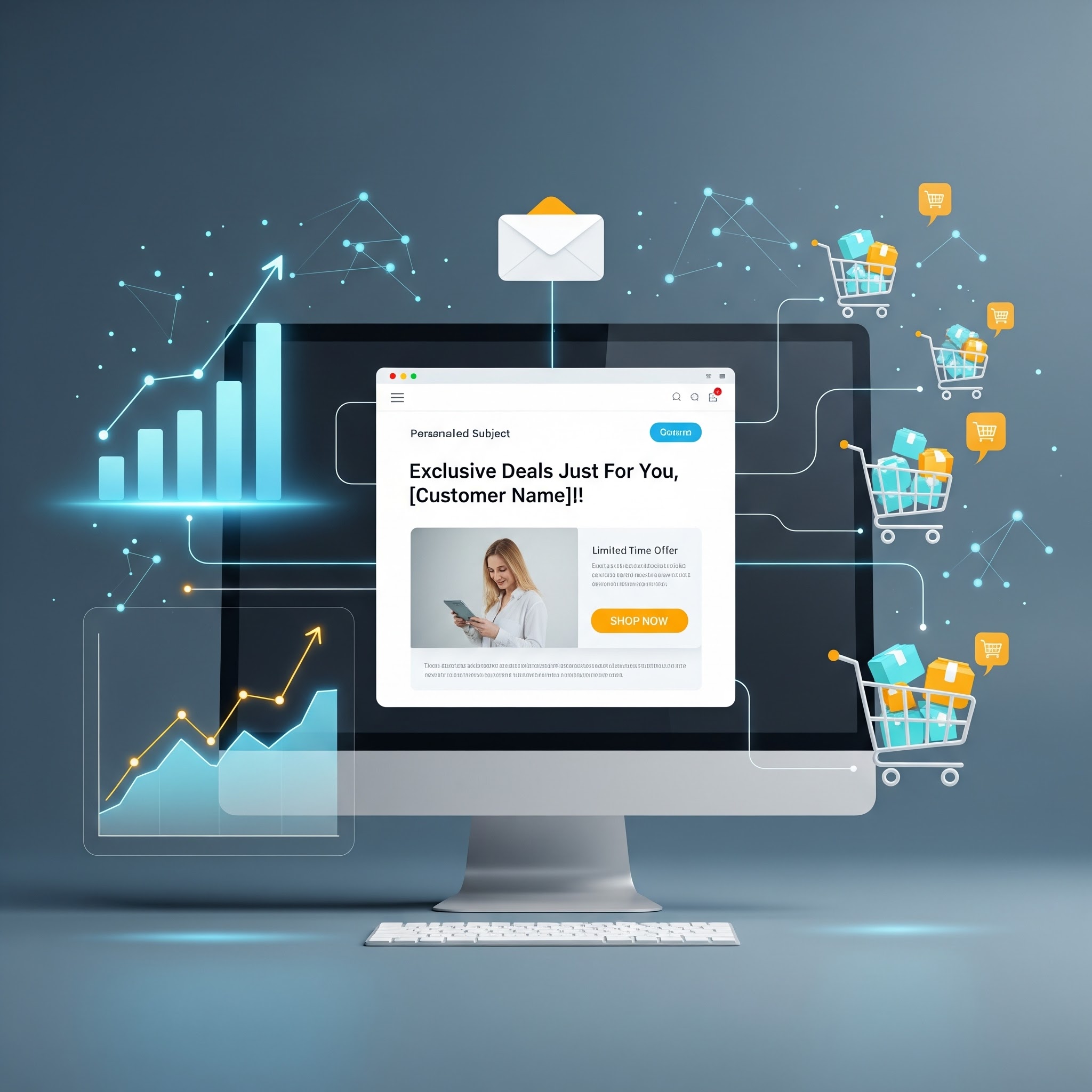
Email reminders work okay. But let’s be honest: your carefully crafted recovery email is probably sitting unread between a Bed Bath & Beyond coupon and someone’s LinkedIn spam.
Enter ringless voicemails. I know what you’re thinking, voicemail in the 21st century? Tools like the VoiceDrop Shopify App, which offers seamless ringless voicemail integration, are changing the game. Dropshipping stores using it are already seeing real results, from recovering abandoned carts to boosting repeat purchases.
Other ecommerce brands use ringless voicemails to send personalized post-purchase thank-yous, win-back messages for inactive customers, or even exclusive VIP promotions, all without interrupting the customer’s day. It’s a small touch that feels personal and builds real trust, and the best part? It scales effortlessly.
Why People Bail on Their Carts (And Why It Matters)
When someone adds products to their cart and bounces without buying, that’s cart abandonment. In dropshipping, where you’re selling products you don’t actually stock, this is particularly painful because you’ve already done the hard part-getting them interested.
The reasons people abandon carts aren’t mysterious. Sometimes the shipping cost pops up at checkout, and they weren’t expecting it. Sometimes the checkout process takes too long (nobody wants to create yet another account). Phone rings, kid needs help with homework, boss walks by their desk. Life happens.
Other times? Cold feet. Security concerns. Second-guessing whether they really need another pair of shoes.
For dropshippers, this represents money that was basically already in your hand before it slipped away. You can send them an email or a text, sure. But there’s another option that’s getting overlooked.
What’s the Deal with Ringless Voicemail?
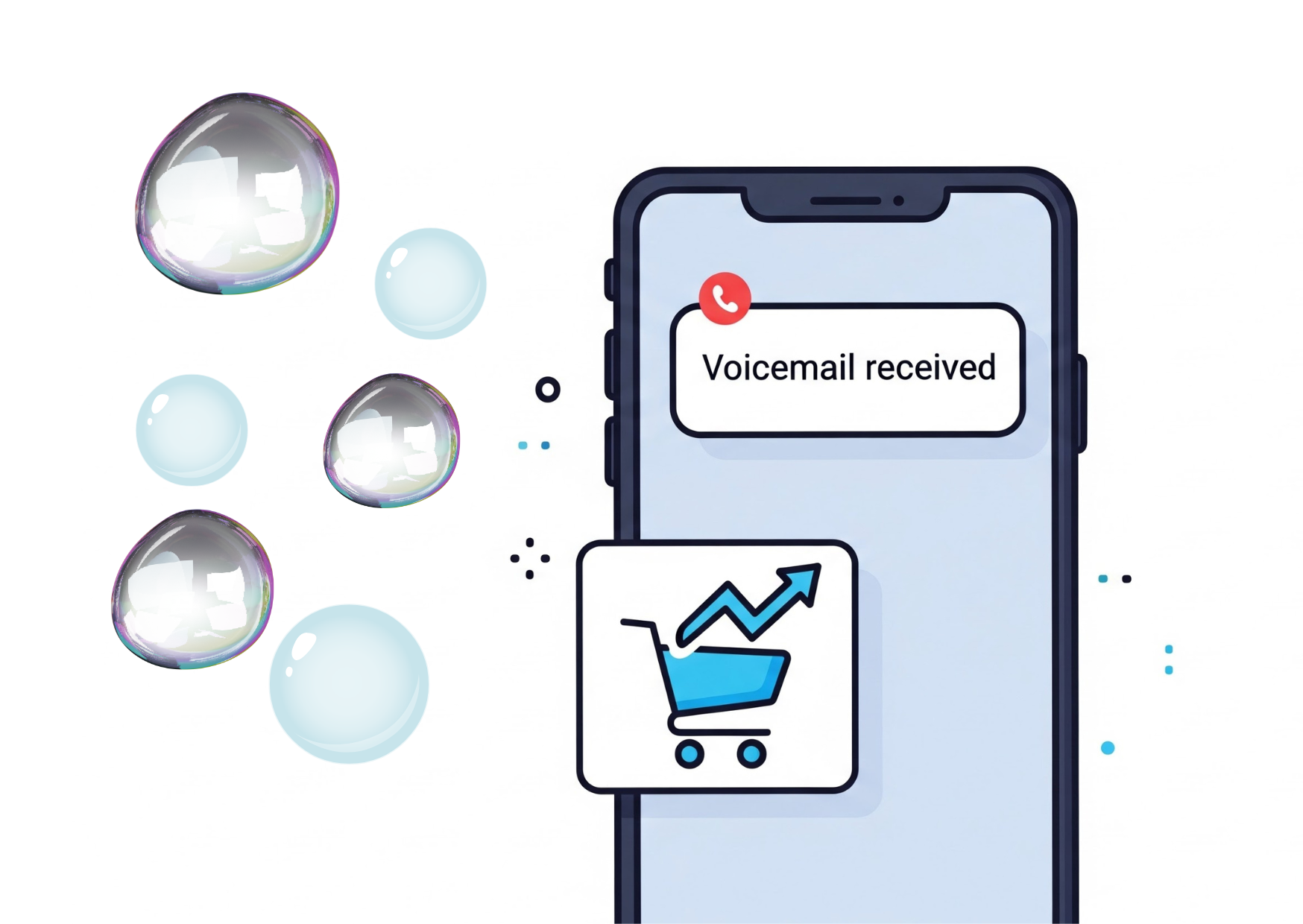
Ringless voicemail drops a pre-recorded message straight into someone’s voicemail inbox. Their phone never rings. No interruption. They just see a voicemail notification and can listen when they want.
The technology works through carrier networks to deliver the audio file directly-kind of like how a text message gets delivered, but it’s audio that goes to their voicemail box instead of their messages.
Why does this matter for dropshipping? Because, unlike a phone call (annoying), it doesn’t interrupt anyone. Unlike an email (ignorable), it feels more personal. People actually listen to these-listen rates typically run over 50%, which is wild compared to email open rates.
Here’s the thing: voicemails feel more human. When was the last time you got a voicemail from a business? It stands out. And for abandoned cart recovery, standing out is literally the whole game.
How This Actually Helps Recover Sales
The strategy is straightforward. When someone abandons their cart, you send them a personalized ringless voicemail. Not a generic “Thanks for shopping with us” robot message-something that actually references what they left behind, maybe includes an incentive to come back and finish the purchase.
It works because it hits differently than email. Voicemail feels more direct, more personal. And because it doesn’t ring, it’s not intrusive. It’s just… there when they’re ready to check their messages.
Writing a Voicemail Script That Doesn’t Suck
Keep it short. Seriously-30 seconds max. People don’t have time for a monologue.
Start friendly and use their name. “Hey Sarah, noticed you were checking out that navy backpack earlier.” Not “Dear valued customer.” Come on.
Give them a reason to come back. “I can knock 10% off if you complete your order today” beats a vague “We miss you!” any day.
End with a clear next step. “Head back to your cart and use code COMEBACK10 at checkout.” Done.
Skip the corporate jargon. Write like you’re talking to a friend. Show some personality. Add urgency without being pushy-there’s a difference between “Limited time offer!” and “BUY NOW OR MISS OUT FOREVER!!!”
The goal is to sound human, not like a script someone in marketing agonized over for three weeks.
When to Actually Send These Things
Timing matters more than you’d think.
Send the first message within an hour of cart abandonment. That’s when their interest is still hot. They might’ve gotten distracted and genuinely forgot.
If they don’t respond? Hit them again after 24 hours. But that’s it-don’t become a stalker.
Avoid evenings and weekends unless your data shows that’s when your specific customers are most responsive. Most people don’t want to deal with shopping reminders at 9 PM on a Saturday.
And frequency: one or two messages is reasonable. Five is harassment. Don’t be that brand.
If you’re seeing carts abandoned mid-week, that’s when you focus your efforts. Use your actual customer behavior data to guide timing, not some generic “best practices” article you read.
Making It Actually Work with Your Setup
Good ringless voicemail platforms integrate with your existing tech stack. VoiceDrop works with Shopify, WooCommerce, and HubSpot-the usual suspects.
Set up automation triggers so when a cart gets abandoned, the system fires off a voicemail automatically. You’re not sitting there manually sending messages to every person who bails.
This frees up your time to actually run your business instead of chasing down abandoned carts one by one.

Getting Started Without Screwing It Up
First, pick a platform that works with your store. For instance VoiceDrop integrates with Shopify and WooCommerce, which covers most dropshippers.
Second-and this is important-make sure you have consent. You can’t just start dropping voicemails to anyone. Check TCPA compliance if you’re in the US. Seriously, don’t skip this part. Fines are not fun.
Upload your customer list (the ones who’ve opted in), set up your automation triggers, write some test scripts, and run a small pilot program. Start with maybe 100-200 customers and see what happens.
Train your team on the system if you have one. If it’s just you, spend an afternoon getting comfortable with the platform.
Cost per message is usually pretty low, but budget accordingly. Connect everything to your CRM so the messages feel personalized based on actual customer behavior.
Then scale up once you’ve proven it works. Don’t go all-in on day one.
Does This Actually Make Money?
Track your recovery rate-how many abandoned carts convert after getting a voicemail. Look at listen rates, how many people call back, and most importantly, how much revenue you’re recovering.
Do the math: divide the sales you recover by what you’re spending on the service. That’s your ROI.
For dropshipping, if you can get a 5-10% lift in conversions, you’re doing well. Some businesses report recovering 20% of abandoned carts this way, which is honestly impressive.
Use the data to refine your approach. If messages sent at 2 PM perform better, do more of that. If your script isn’t working, rewrite it. This isn’t set-it-and-forget-it need to pay attention and adjust.
Bottom Line
Ringless voicemails aren’t some magic bullet that’ll solve all your cart abandonment problems. But they’re another tool in your arsenal, and they work because they’re personal without being pushy, timely without being annoying, and different enough that people actually pay attention.
If you’re watching potential sales disappear every day, it’s worth testing. Tools like VoiceDrop make it pretty straightforward to get started.
Run a pilot, measure the results, adjust your approach. If it works, great-you’re recovering sales you would’ve lost. If it doesn’t, you’ll know pretty quickly.
Your dropshipping store deserves better than 70% cart abandonment. Time to do something about it.